Logic Puzzles Quiet Your Brain's Stress Loop
The Mechanics of the Flow State
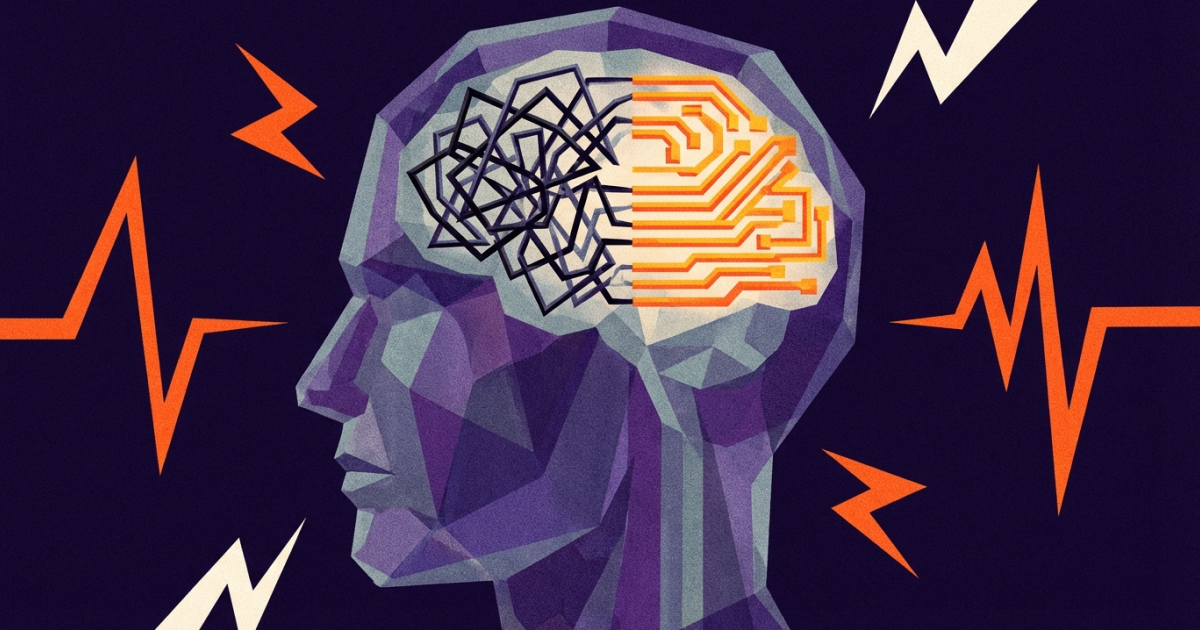
Flow is a measurable psychological state where the brain operates at peak efficiency with minimal effort. Psychologist Mihaly Csikszentmihalyi spent decades studying this phenomenon, and his research reveals something counterintuitive: the most satisfying moments in life aren't passive or relaxing. They happen when we're stretched to our limits in pursuit of something worthwhile.
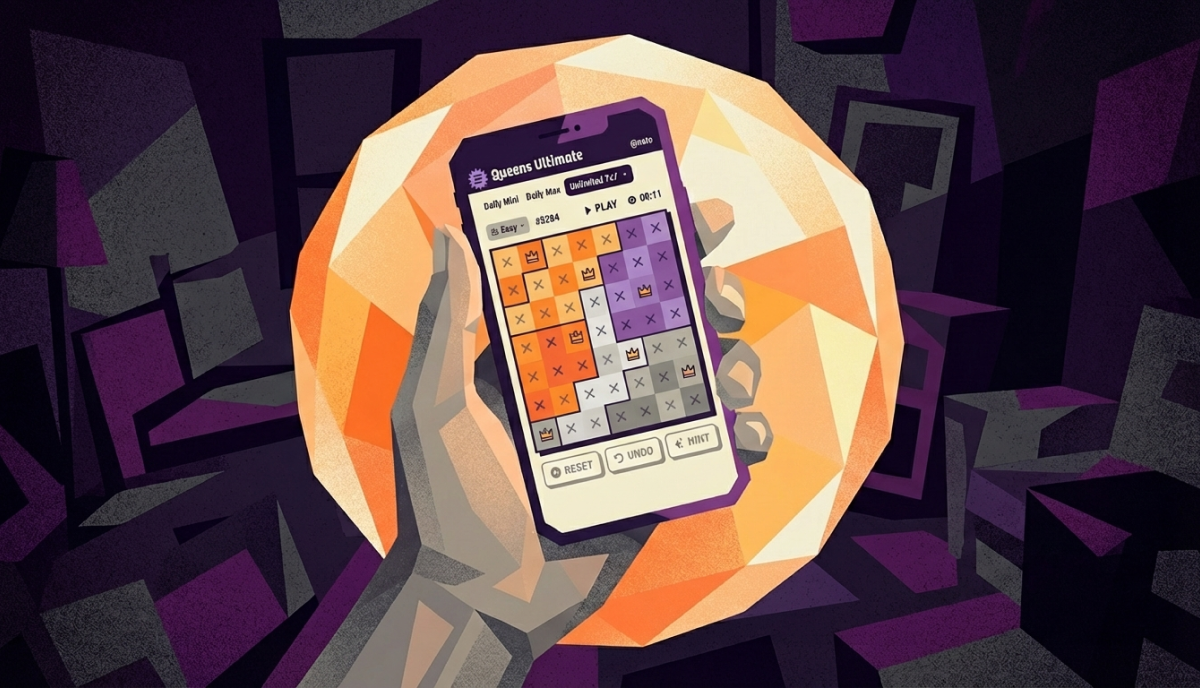
Logic puzzles—games built around spatial reasoning, pattern recognition, and constraint satisfaction—create the exact conditions needed to trigger this state. Queens Ultimate, a daily puzzle game where you place chess queens on a grid so that no two queens threaten each other, exemplifies this perfectly. Like Sudoku or nonograms, it's a closed system with clear rules and a single solution. But unlike word-based puzzles that rely on vocabulary or trivia, Queens engages your visual-spatial reasoning—the part of your brain that navigates physical space and recognizes patterns.
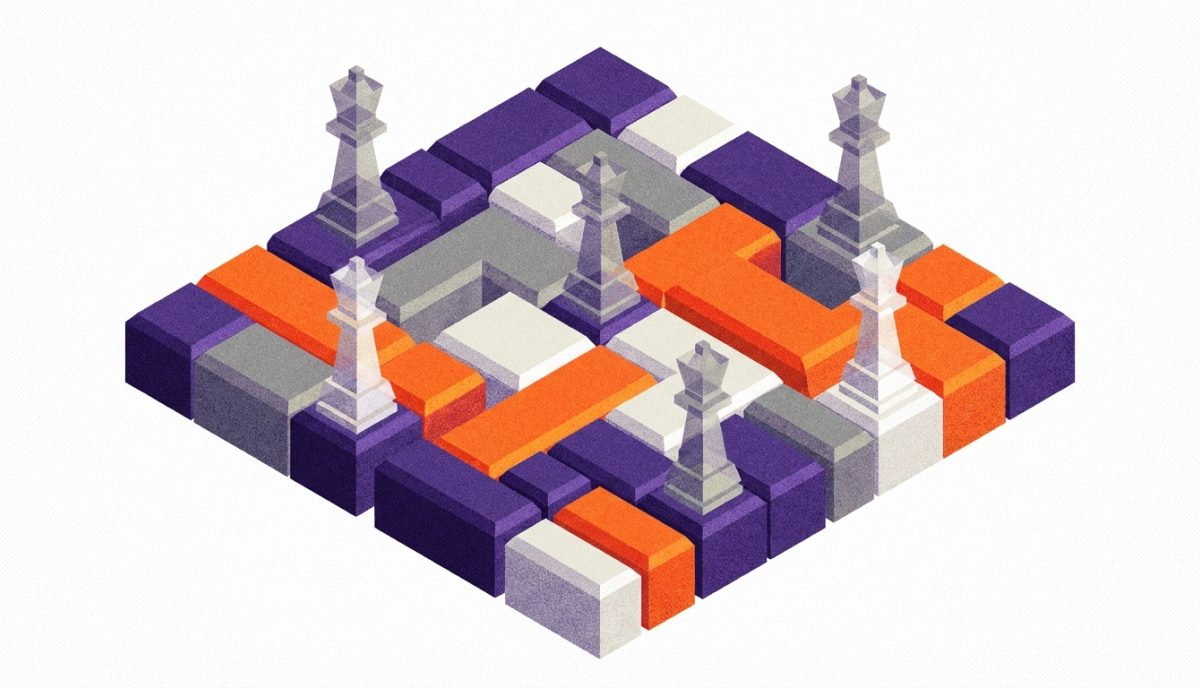
Each puzzle presents a grid with regions marked by different colors. Your task: place exactly one queen in each row, column, and colored region, ensuring no queen can attack another. It's simple to understand but endlessly challenging to execute.
Key Takeaways
Flow state is a measurable psychological condition where your brain operates at peak efficiency, and the most satisfying moments occur when you're challenged within your capabilities.
The ideal puzzle difficulty sits in the "Goldilocks zone"—hard enough to require focus but easy enough to remain solvable, with instant feedback to keep your mind present.
During flow, the brain's self-monitoring region temporarily deactivates, silencing your inner critic and interrupting the rumination cycle that drives chronic stress.
Logic puzzles trigger dopamine release and shift your brain from the Default Mode Network (associated with anxiety) to the Task-Positive Network (associated with focus and calm).
Daily puzzle rituals provide structure, predictability, and a sense of guaranteed accomplishment that contrasts with the unpredictability of work and other digital activities.
Regular engagement with spatial logic games builds cognitive reserve, may delay cognitive decline, and can even help prevent intrusive memories after stressful events.
The Goldilocks Difficulty Curve

A puzzle must be hard enough to require focus but easy enough to remain solvable. Get this balance wrong, and the whole thing falls apart.
If a puzzle is too simple, your brain disengages. You solve it on autopilot, check your phone, think about that awkward thing you said in a meeting three years ago. If it's too complex, the stress response kicks in. Your prefrontal cortex starts screaming about failure, and the logic centers get overridden by fight-or-flight instincts.
The sweet spot sits right in the middle. Queens Ultimate and similar constraint-based puzzles are designed around this principle. The difficulty scales with your skill level. Early grids teach you the rules. Later ones demand you hold multiple constraints in working memory simultaneously—tracking which rows, columns, and regions still need queens while visualizing attack patterns across the entire board.
Every move provides instant data. You place a queen in Queens Ultimate, and the grid immediately tells you whether you've violated a rule. This constant stream of feedback keeps your mind tethered to the present moment. There's no waiting for quarterly reviews or ambiguous social signals. Just clear, immediate information about whether you're on the right track.
Silencing the Inner Critic

During flow, something strange happens in your brain. The dorsolateral prefrontal cortex—the region responsible for self-monitoring and that nagging voice telling you you're not good enough—temporarily deactivates.
This matters more than you might think. That inner critic is the same neural machinery that drives rumination. It's what keeps you replaying conversations at 2 AM, worrying about mortgage payments during dinner, catastrophizing about work deadlines while trying to fall asleep.
Logic puzzles interrupt this mental loop. By demanding focused attention on a solvable problem, they force your brain to reallocate resources. The worrying machinery goes quiet because it has to.
You move from a state of "I am doing this puzzle" to pure execution. Your self-concept dissolves into the task. You're not thinking about yourself solving the puzzle. You're just solving it.
Neurological Benefits and the Reward System
Solving a puzzle is a chemical event. When you place the final queen or complete a Sudoku grid, your brain rewards you with a cocktail of neurotransmitters that directly counteract the physiological effects of chronic stress.
The Dopamine-Driven "Aha!" Moment
Successfully navigating a constraint in Queens triggers a dopamine release. Dopamine reinforces the neural pathways used for problem-solving, making you marginally better at similar tasks in the future.
Daily puzzles offer something your job probably doesn't: a predictable yet varied source of accomplishment. You know the puzzle will be there tomorrow. You know it will be solvable. You know you'll feel that small hit of satisfaction when you finish.
This acts as a psychological buffer against the unpredictable and often unrewarding stressors of a typical workday. Your project might get canceled. Your email might go unanswered. But the puzzle? The puzzle will give you what you came for.
Dopamine also improves your brain's ability to retain information and maintain concentration. The benefits extend beyond the puzzle itself.
Cortisol Reduction and Heart Rate Variability
Your brain has two primary operating modes. The Default Mode Network (DMN) activates during mind-wandering—when you're thinking about yourself, your problems, your past, your future. The Task-Positive Network (TPN) activates when you're focused on an external task.
Here's the problem: the DMN is strongly associated with anxiety and depression. When you're ruminating about that email you shouldn't have sent, you're in DMN territory.
Engaging in logic-based tasks forces a shift to the TPN. Studies show that repetitive, logic-based gaming can lower cortisol levels and decrease heart rate variability. Your body physically calms down.
For many people, logic puzzles function as a form of active meditation. They provide the same physiological benefits as sitting in silence, but with a cognitive anchor that prevents your mind from drifting back to worry.
The Unique Logic of Queens Ultimate
Crosswords and word games dominate the puzzle landscape, but visual-spatial logic puzzles offer distinct advantages—particularly for professionals who spend their days swimming in language.
Closed-System Logic and Control
Unlike a crossword, which requires external knowledge of trivia, vocabulary, and cultural references, Queens is a closed system. All the information you need is right in front of you. No Googling. No wondering if you've ever heard of that 1940s film star.
This matters psychologically. In a chaotic work environment where outcomes depend on other people's decisions, market conditions, and sheer luck, a logic puzzle offers a space where rules are absolute. Success is guaranteed through effort. The universe of the puzzle is fair in a way the real world rarely is.
There's also a cognitive rest component. Most office work is linguistic. Emails, meetings, reports, Slack messages. Your brain's language centers run hot all day.
Switching to a visual-spatial task like Queens Ultimate allows those linguistic regions to recover while engaging the parietal lobe instead. It's a break that lets the overused parts of your brain recuperate. If you find this type of number-free logic satisfying, games like Sumplete—where you remove numbers from a grid to match target sums—offer a similar flow experience with a different constraint system. These spatial reasoning puzzles share the same closed-system clarity that makes them effective tools for mental reset.
The Power of the Daily Ritual
The 24-hour refresh cycle of modern puzzle games creates what psychologists call a micro-habit. Research shows that small, achievable daily rituals significantly reduce general anxiety. They provide structure and predictability in an unpredictable world.
There's also the contrast with other digital activities. Using a logic app provides a "clean" digital experience. No algorithmic feed designed to provoke outrage. No infinite scroll. No notifications competing for your attention.
This contrasts with doomscrolling, which floods your brain with cortisol and fragmented information. A puzzle has a beginning, middle, and end. You finish it. You put it down. That sense of completion is increasingly rare in digital life.
Psychologists now view these short bursts of gaming as legitimate tools for mental health maintenance rather than mere distractions or time-wasters.
Long-Term Cognitive Health and Resilience
The benefits of daily puzzles extend beyond immediate stress relief. Consistent engagement builds a more resilient brain—one better equipped to handle future stressors and the challenges of aging.
Building Cognitive Reserve
Dr. Marcel Danesi and other experts argue that puzzles exercise the brain's neuroplasticity, its ability to rewire itself. With regular practice, your brain can move away from habitual stress-response patterns and build new, more adaptive pathways.
Regular mental stimulation is linked to building "cognitive reserve", which is why a Midi Crossword game and other brain-challenging games are popular, especially among the older demographics. Think of it as a buffer against decline. This reserve may delay the onset of symptoms related to Alzheimer's and dementia, even if the underlying pathology is present.
Perhaps most intriguingly, research suggests that spatial logic games can actually block the formation of intrusive memories following a stressful or traumatic event. The games compete for the same sensory-processing resources that would otherwise encode the trauma, making daily word and logic games in general ideal for overall cognitive health. This "Tetris Effect" has implications for everything from PTSD prevention to managing daily workplace stress.
The Social and Oxytocin Connection
Sharing puzzle results on platforms like LinkedIn or via text creates something unexpected: low-stakes social connection. You're not debating politics or performing your best life. You're just showing a little grid of colored squares.
These small interactions trigger oxytocin release, further reducing the physiological impact of stress. The shift toward shared daily puzzles has turned a solitary activity into a collective ritual, reinforcing social bonds without the high stakes of traditional social media interaction.
You can share your Queens time without inviting judgment about your opinions, your appearance, or your life choices. It's connection without vulnerability. For many people, that's exactly what they need.
Practical Integration for Stress Management
To maximize the stress-reducing benefits of games like Queens Ultimate, timing and context matter.
Strategic Timing
The transition break. Playing a puzzle immediately after a high-stress meeting can help reset your brain and prevent stress from bleeding into the next task. It creates a buffer zone between one context and the next. A five-minute Queens session acts as a palate cleanser for your mind.
Morning priming. Starting the day with a logic puzzle activates the Task-Positive Network before you've even opened your inbox. This sets a tone of focus rather than reactivity. You begin the day having already accomplished something small.
Evening wind-down. Using a puzzle app before bed can help transition your brain away from work-related rumination. The key is choosing a device or app that minimizes blue light exposure.
Avoiding the "Dark Flow"
While flow is beneficial, puzzles can become avoidance mechanisms. Research from the Oxford Internet Institute suggests that intentionality matters. People who play games as a deliberate recovery strategy report higher well-being than those who play to escape problems they should be addressing.
Time-boxing helps. Set a limit. Solve today's puzzle, then close the app. The goal is to move from mindless scrolling to mindful solving—using the puzzle as a tool rather than a hiding place.
Seventy-two percent of regular puzzle solvers report using games specifically to decompress after work. That's a healthy use case. But if the puzzle becomes a way to avoid difficult conversations or procrastinate on important tasks, the stress-relief benefits get complicated.
The difference between medicine and poison is often just dosage. A daily puzzle is medicine. Three hours of puzzles to avoid thinking about your problems is something else.
 Mini Crossword
 Midi Crossword
 Diffle
 Killer Sudoku
 Numberle